The Trump administration on Tuesday intensified pressure on Cuba's ruling regime with a new round of sanctions targeting key entities within the island's economic apparatus, in a move aimed directly at revenue streams controlled by the military and other strategic sectors of the Cuban economy.
The Treasury Department's Office of Foreign Assets Control (OFAC) updated its Specially Designated Nationals (SDN) List to add five Cuban entities and one individual linked to the regime's inner circle.
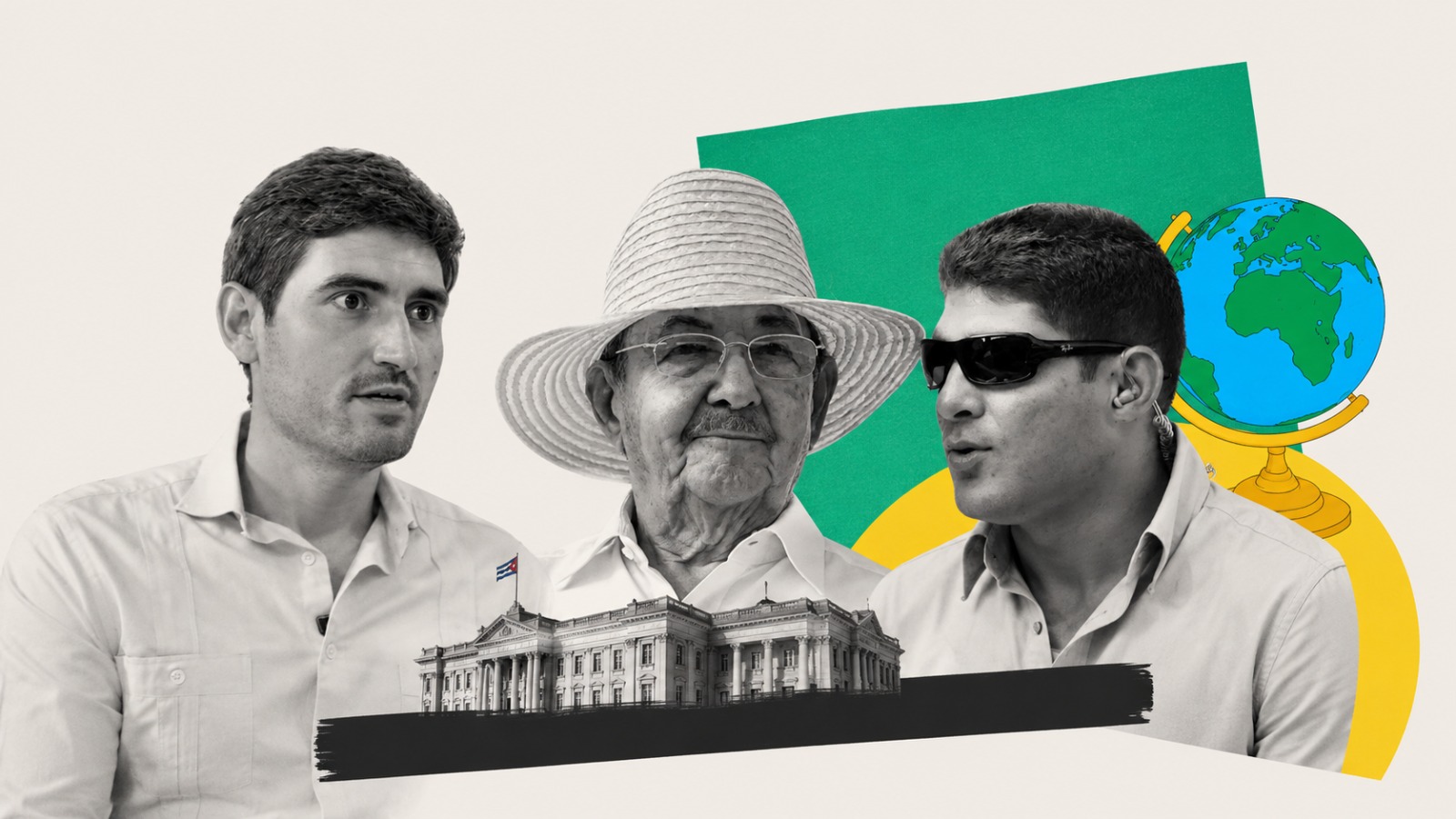
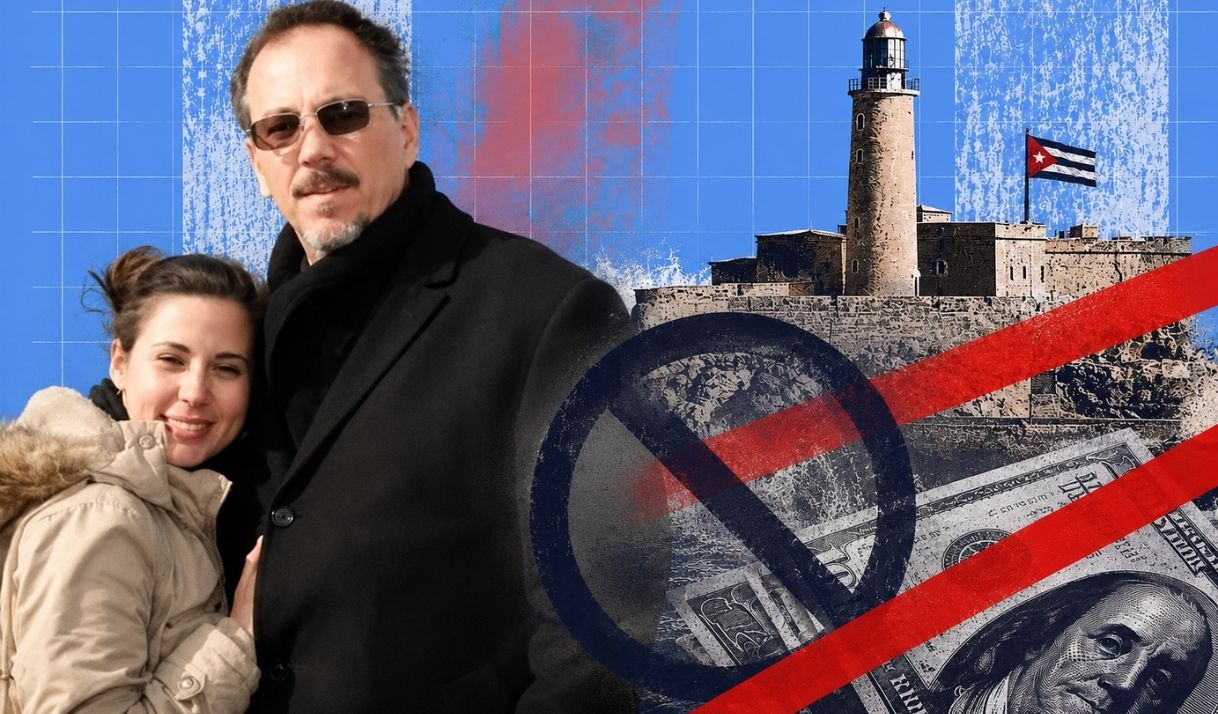
Among those sanctioned was Annalie Lilliam Rueda Cardero, the wife of Alejandro Castro Espín, son of Raúl Castro and one of the most influential figures within Cuba's intelligence and security apparatus.
Rueda Cardero is affiliated with Resumen Latinoamericano, a media outlet identified by researchers as part of a broader network that amplifies narratives aligned with Iran, Hezbollah, and other pro-Iranian organizations in Latin America. Dr. Michael Barak, a senior researcher at the International Institute for Counter-Terrorism, said the outlet "operates and spreads the message of Iran, Hezbollah and pro-Iranian organizations such as al-Tajammu."
ADN Cuba's research also found that content published by Resumen Latinoamericano was republished by Hezbollah's media arm, Al-Manar.
According to her LinkedIn profile and an author page published by the outlet, Rueda Cardero has contributed to Resumen Latinoamericano for years and more recently participated in a documentary released by the organization about the war in Gaza.
Alongside Rueda Cardero, Bassel Ismail Salem, the Cuba-based representative of the Popular Front for the Liberation of Palestine (PFLP), a U.S.-designated terrorist organization, is also a contributor to Resumen Latinoamericano. An ADN Cuba investigation published this month in The Washington Times identified Salem as the son of Ismail Musa Salem, one of the group's founding members.
Rueda Cardero has two children with Castro Espín and was part of the honor guard during Fidel Castro's funeral in 2016, according to Martí Noticias. Her mother, Ana Adis Cardero Pacheco, holds permanent U.S. residency and reportedly travels frequently between the United States and Cuba.
The sanctions package also targets several major state-controlled enterprises, including Banco Financiero Internacional (BFI), one of Cuba's principal financial institutions; Almacenes Universales S.A., a GAESA-controlled logistics and cargo-handling company; RAFIN S.A., a financial arm used for investments and transactions; Geominera S.A., which oversees mineral extraction projects; and Empresa Siderúrgica José Martí (Antillana de Acero), one of the country's largest industrial complexes.
The designations were issued under Executive Order 14404, which Washington has used to sanction individuals and entities that contribute to sustaining the Cuban regime's economic structure.
Secretary of State Marco Rubio defended the measures, stating that "the situation in Cuba continues to deteriorate as the island's corrupt, brutal, anti-American communist regime prioritizes total control over freedom, opportunity, and the basic well-being of the Cuban people."
Rubio also argued that the military conglomerate GAESA "has persistently served as the principal vehicle through which regime elites steal the island's scarce resources, diverting them toward repression, anti-American subversion, and espionage instead of schools, power plants, and basic necessities for the Cuban people."
The situation in Cuba is devolving as the island’s corrupt, brutal and anti-American Communist regime continues to prioritize its own total control over the freedom, opportunity and basic wellbeing of the Cuban people.
The Cuban military-controlled conglomerate GAESA has…— Secretary Marco Rubio (@SecRubio) June 23, 2026
Rubio said the sanctions target key components of GAESA's financial and business network, including entities involved in managing the conglomerate's assets and generating revenue from Cuba's mineral resources.
"Today, I designated additional GAESA network entities associated with moving both its money and its physical assets, as well as entities responsible for exploiting Cuba’s mineral and metal reserves for ill-gotten profit," Rubio wrote on X, warning that foreign banks and companies doing business with the designated entities could themselves face U.S. sanctions.
What These New Sanctions Mean
Unlike previous rounds of sanctions, the Trump administration's strategy this year has focused on targeting the Cuban regime's primary sources of revenue and the economic structures that sustain both its repressive apparatus and its grip on power.
The measures have focused on sectors considered critical to the regime's financial survival, including military-controlled enterprises, the state banking system, tourism, energy, remittances, and the network of companies managed by GAESA.
The designation of Banco Financiero Internacional, along with companies such as Almacenes Universales and RAFIN, advances that strategy by targeting entities used to facilitate financial transactions, investments, foreign trade operations, and the movement of resources controlled by the military conglomerate.
The new sanctions also come as the Cuban regime attempts to market a broad package of economic reforms designed to attract foreign investment and ease the country's worst economic crisis in decades.
Recent statements by senior U.S. officials, coupled with Tuesday's measures, suggest that Washington views economic opening without political reform as insufficient. The administration has signaled that limited economic changes will not alter its assessment of a system that continues to preserve the regime's monopoly on political power.