Chile rejected for the second time, in a plebiscite held on Sunday, December 17, a proposal aimed
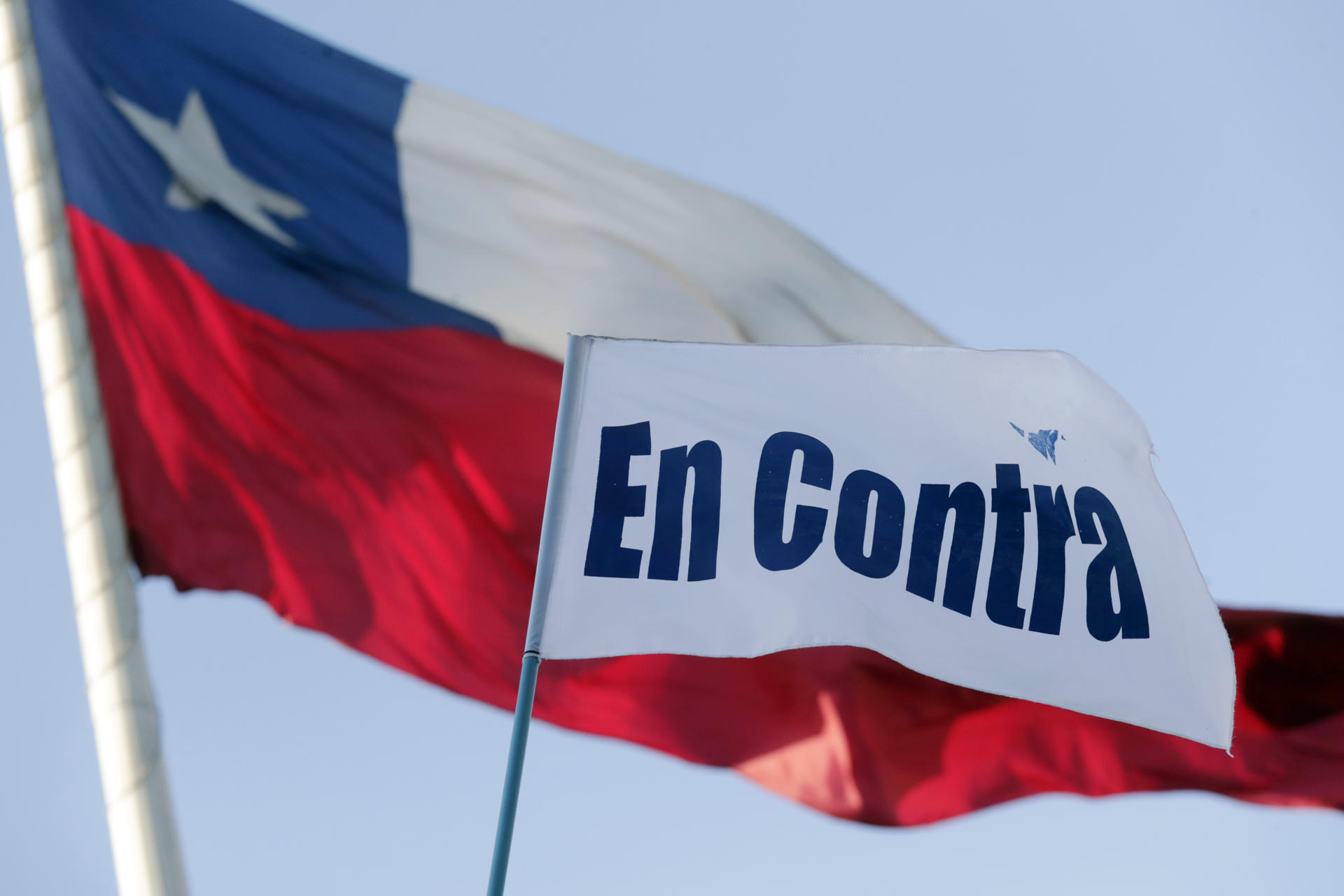
at replacing its current Constitution. With over 55% support, the "against" option prevailed over the "in favor," which garnered only 44% of the votes.The South American country has spent the last four years attempting to change its Magna Carta, following
its presentation as an alternative to resolve the intense tensions stemming from the protests of 2019 that ultimately propelled socialist Gabriel Boric to the presidency.The outcome of this Sunday's election is nearly identical to the contest on September 4, 2022, when
the nation rejected a proposal crafted by the left. On that occasion, the 'rejection' option won with 61.87% of the votes, while the 'approval' received 38.13%. This was a severe defeat for the government of leftist Gabriel Boric, considering that his political sector led the process of drafting the project, which cost over 20 million dollars.Leftist politicians and various media outlets have labeled the rejection on Sunday as a defeat for
the right, since the president of the Republican Party, José Antonio Kast, led this second constitutional process in Chile.However, right-wing movements were actually opposed to this latest constituent process due to the implementation of a social rule of law that sought more social rights.
The influential conservative senator José Manuel Rojo Edwards expressed satisfaction
over the triumph of the rejection of the new Constitution proposal.“Today we have buried the proposal for a socialist rule of law, we buried the idea that documents made in other countries, which have not undergone democratic processes, can justify judicial processes. We buried this idea that it is the State that grants rights and can therefore take them away by simple law,” he stated.
“Chile is freer thanks to this vote and let them understand: this Constitution (the current one
) has improved, it can be improved, but we do not trade freedom and here we are, those who defend freedom. It means that Chile demands freedom and demands that the truth be delivered (...), all Chileans know that Chile's problems are not constitutional,” he added.President Gabriel Boric dismisses the possibility of a third constitutional process during his term
, which ends in 2026. Ultimately, his political banner of changing the Constitution has turned into absolute populism that weakened with two rejected projects, which did nothing but waste time and money for the country. Augusto Pinochet's Constitution survived.