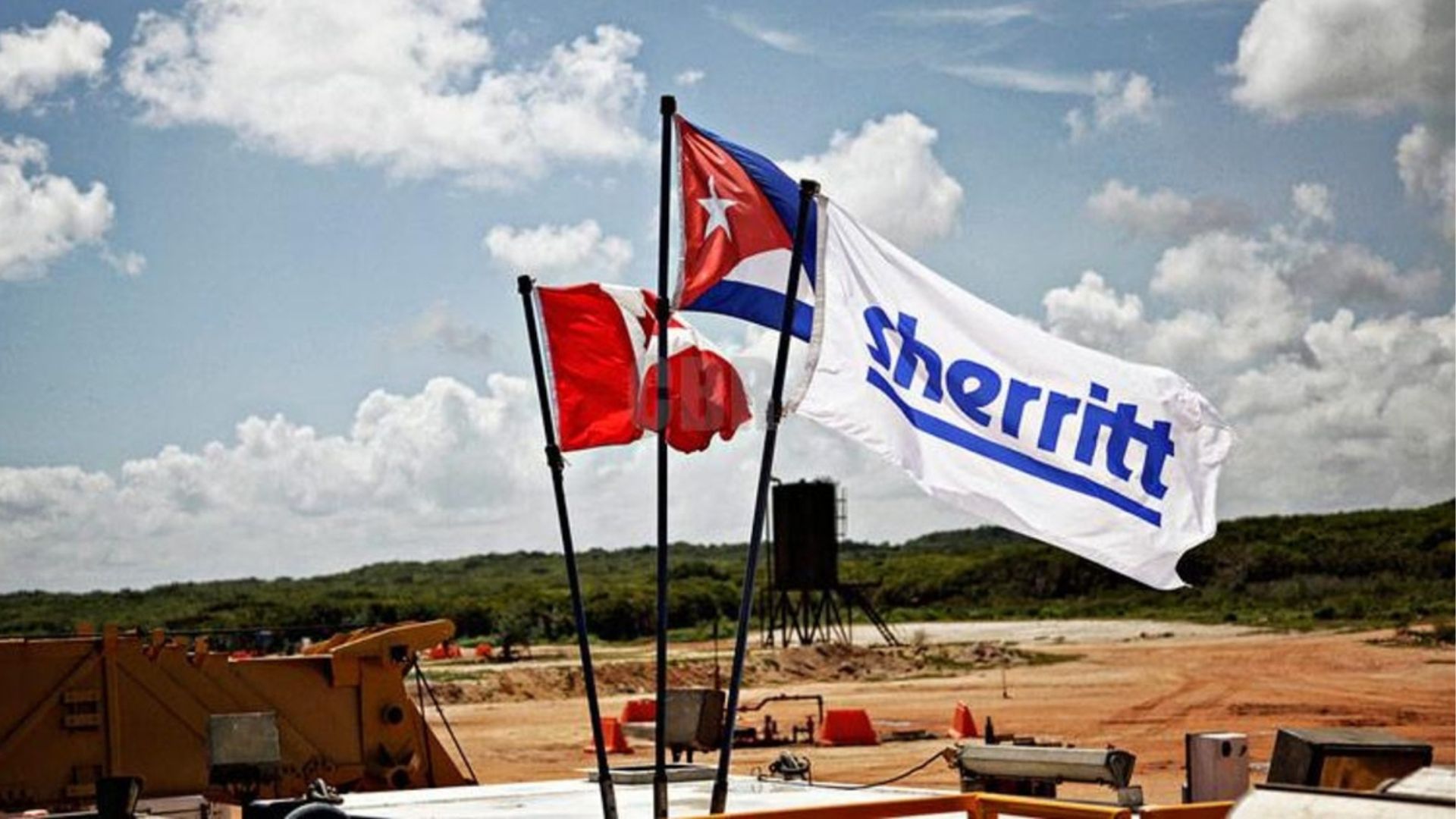
The Canadian Sherritt International announced on Tuesday the
target="_blank">temporary shutdown of its refinery in Fort Saskatchewan, Alberta, a facility that the Cuban regime listed as a co-owner through its historic alliance with the mining company.The company reported that the plant has begun a "controlled and orderly" shutdown process as the
strong>available inventory of raw materials has been exhausted, as previously anticipated.p>The halt will continue until mining and processing activities at Moa, Holguín can
resume and the mineral transport system to the refinery is rebuilt, they added.However, Sherritt admitted that it cannot provide a timeline for when these operations may restart
."The closure will continue until mining and processing activities in Moa, Cuba, resume and the refinery
feed line is rebuilt," the company stated in a press release.Although it will continue producing fertilizers and sulfuric acid for marketing during the inactivity
period, the company assured that it will maintain the refinery in safe conditions while reducing costs and preserving liquidity.A new setback for the alliance with Havana
The shutdown represents a new blow to the Cuban regime, which has relied on Sherritt as its main foreign
partner in nickel and cobalt mining for over three decades.The Canadian company has been operating since 1991 in joint ventures with the Cuban state, particularly
in the Moa mining complex, one of the country's largest nickel reserves, and has also participated in energy projects deemed strategic for the island's economy.The Canadian refinery processed the mineral extracted in Cuba, making its shutdown indicative of the
deterioration of one of the regime's most important economic partnerships.The announcement comes just weeks after
target="_blank">Sherritt confirmed the immediate suspension of its direct involvement in joint ventures in Cuba.The company attributed that decision to a new executive order issued by the Donald Trump Administration
that expanded sanctions against the Cuban regime."After consulting with its advisors, Sherritt has suspended its direct participation in joint venture
activities in Cuba effective immediately," the corporation reported at the time.As part of that restructuring, three members of its Board of Directors also immediately resigned:
Brian Imrie, Richard Moat, and Brett Richards.The decision was interpreted as one of the biggest setbacks for the Cuban regime's economic strategy
in years, given Sherritt's weight as a foreign investor and technological partner in the mining industry.In May, the U.S. government also added
target="_blank">Moa Nickel S.A. (MNSA) to its sanctions list, the Cuban state-owned enterprise that maintained a strategic partnership with Sherritt for nickel and cobalt exploitation.The measures increased the pressure on an industry considered vital for the regime
> at a time when Cuba is experiencing a deep economic crisis marked by falling exports, a shortage of foreign currency, and the deterioration of its energy infrastructure.With the indefinite closure of the Canadian refinery and the suspension of Sherritt's direct participation
in the island's joint ventures, the future of one of the regime's most important mining projects remains shrouded in uncertainty.