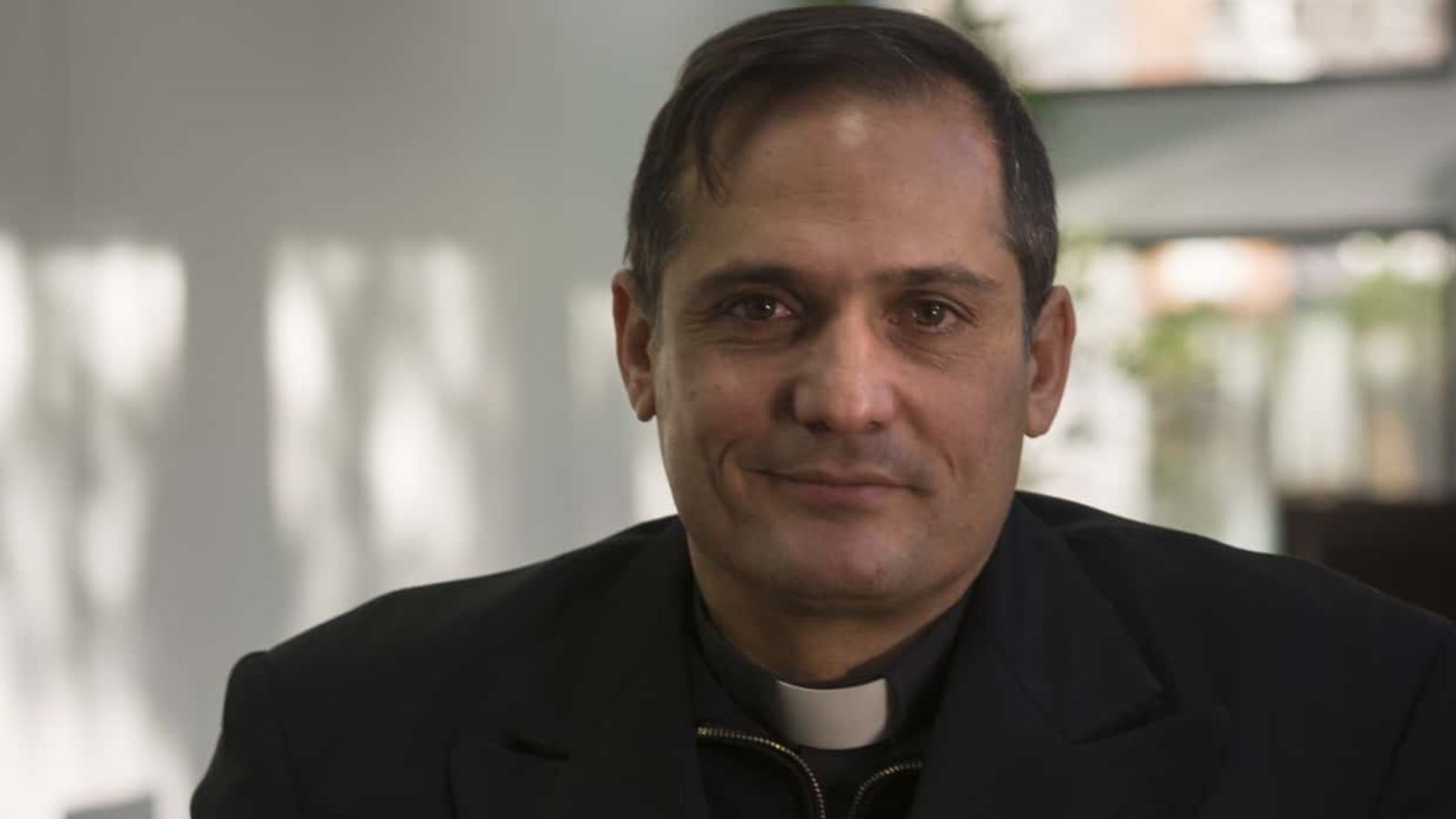
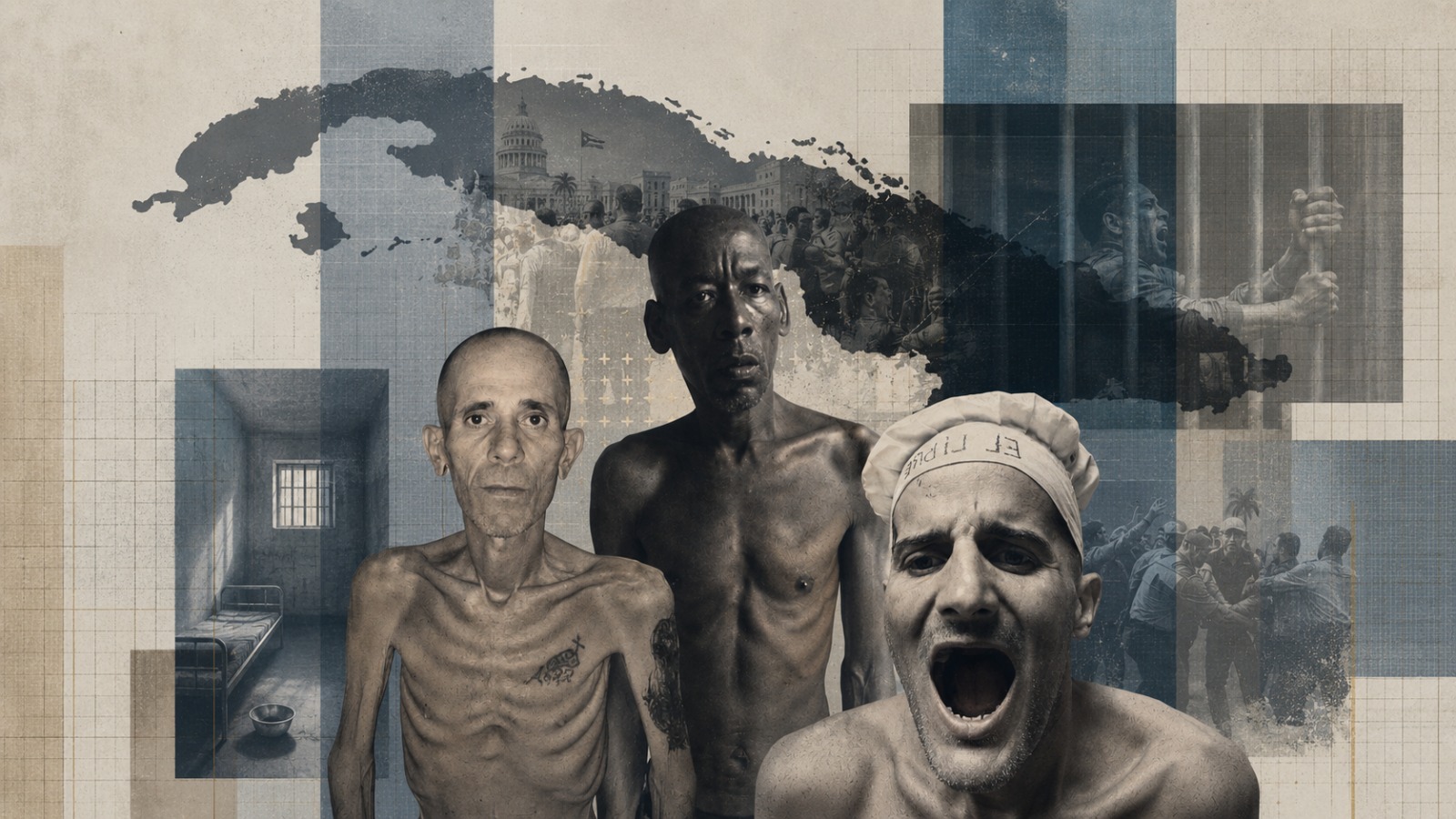
The recent release of political prisoner Carlos Alberto McDonald Ennis in Las Tunas once again highlights the severe physical deterioration suffered by many dissidents after years in the custody of the Cuban regime. Political prisoners are returned to society with serious health conditions such as tumors, cancer, malnutrition, and tooth loss, in what appears to constitute a pattern of repression by the regime.
In McDonald Ennis's case, he was released on bail of 50,000 Cuban pesos after spending more than two years in prison without trial. His health deteriorated during his time behind bars: the opposition activist was released with a maxillary tumor that is growing toward internal structures of the head, causing intense pain and raising concerns about potential damage to vital organs.
"My health is very bad. I have to make up for this lost time, but I think it may already be too late," McDonald Ennis told ADN Cuba.
The organization Prisoners Defenders (PD), which confirmed his release, stated that despite the seriousness of his condition, he did not receive medical treatment during his incarceration.
According to Javier Larrondo, president of PD, there are two fundamental issues: the mistreatment and poor nutrition endured by both common and political prisoners in Cuba. Political prisoners, however, also face torture, cruel treatment, solitary confinement, and other forms of repression.
🚨 EN ESTADO CRÍTICO DE SALUD PRESO POLÍTICO EXCARCELADO
El preso político cubano Carlos Alberto MacDonald Ennis ha sido excarcelado tras más de 2 años en prisión provisional, pero permanece bajo medida cautelar de fianza de 50.000 pesos (132$ = más de 7 meses de salario medio… pic.twitter.com/q3KDfqr9HH— Prisoners Defenders (@PrisonersDFNdrs) June 12, 2026
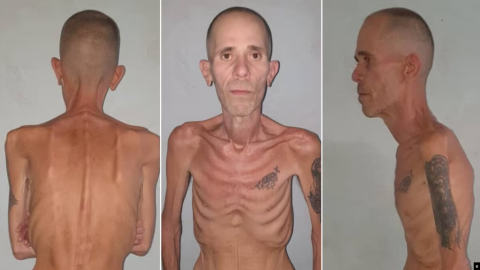
In a similar case, political prisoner Carlos Alberto McDonald Ennis was not the only detainee to be released in poor health. In April of this year, political prisoner Alexander Díaz Rodríguez was released after completing his full five-year sentence. Díaz Rodríguez, who is also a cancer patient, was released in a severe state of malnutrition.
He spent years in prison with a diagnosis of throat and thyroid cancer without receiving adequate medical treatment. Images documenting his physical deterioration circulated widely around the world in the months leading up to his release.
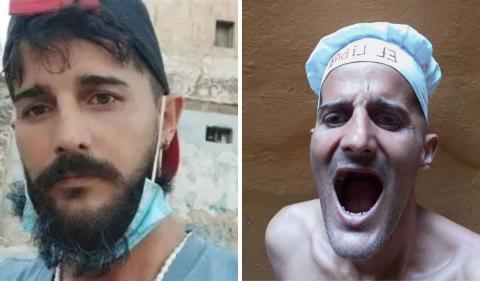
Another troubling case that sheds light on conditions inside Cuba's prisons is that of political prisoner Yasmany González Valdés, known as "Yasmany El Libre," who was granted a temporary furlough to his home in Havana last May.
Photos shared on the social media profile of his wife, Ilsa Ramos, show the opposition activist in a state of severe malnutrition and missing several teeth.
"Here you can see my before and after entering Combinado del Este prison. I am not free; I am on minimum-security status (...) If this post causes my release privileges to be revoked, it will only further expose the repression faced by those who speak the truth. Freedom for all my fellow political prisoners. Long live human rights," he concluded.
A few days later, González Valdés was returned to a closed regime at the maximum-security Combinado del Este prison and was no longer granted furloughs to visit his home.
Cuba's political prisoners still behind bars face life-threatening conditions
If Cuba's broader crisis has already reached extreme levels, conditions inside the country's prisons are significantly worse. Inmates—and political prisoners in particular—bear the brunt of this systemic collapse.
The lack of adequate medical care is one of the factors taking the heaviest toll.
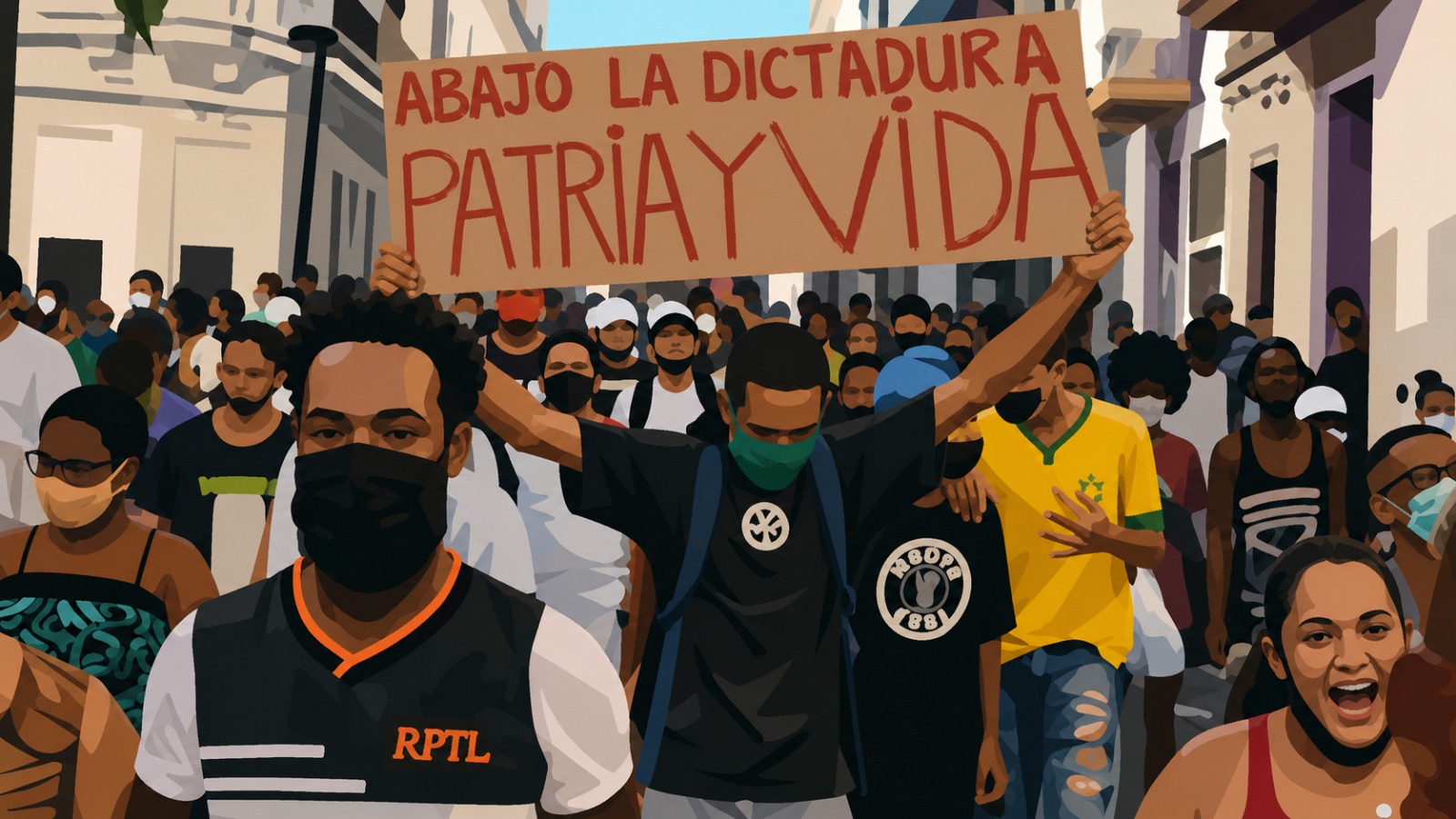
Opposition leader Félix Navarro has been one of the most widely documented cases in this regard. Navarro, 73, is serving a nine-year prison sentence for participating in the July 2021 protests. He has reportedly endured repeated abuse at Agüica Prison in Matanzas, where he is being held, as well as inadequate treatment for chronic conditions including diabetes, hypertension, and pulmonary complications.
The latter condition was identified in 2025 while he was incarcerated, after the opposition leader spent time in the prison's infirmary ward alongside inmates suspected of having tuberculosis.
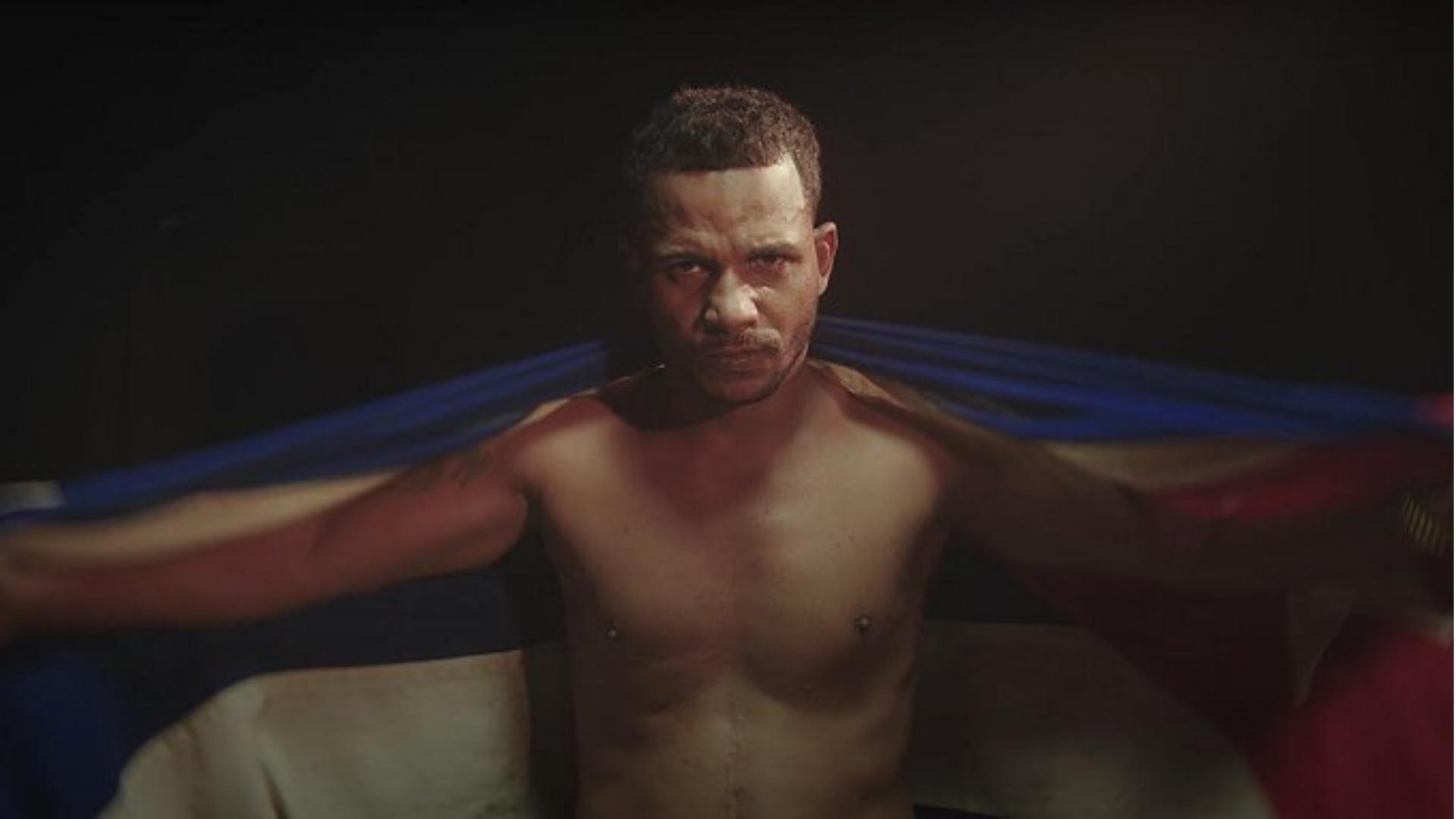
Grammy winner musician Maykel Castillo, known as "Osorbo," has also experienced a significant deterioration in his health despite his relatively young age. He is serving a nine-year prison sentence at Kilo 5 y Medio prison in Pinar del Río.
On multiple occasions, people close to him, including professor Anamely Ramos, have reported that he suffers from swollen lymph nodes and persistent headaches. To date, more than five years after his imprisonment, no definitive diagnosis has been provided
Lisandra Góngora, who was sentenced to 14 years in prison for participating in the July 11 protests and transferred to Los Colonos prison on the Isle of Youth, has been waiting for more than two years to undergo surgery for a uterine fibroid.
Ángel Delgado, her husband, told ADN Cuba that Góngora's health continues to deteriorate due to the lack of medication, as well as fuel shortages that make it difficult for her family, who live in the capital, to send her the medicines she needs.
Another report released by Prisoners Defenders (PD) in May of this year warned about the situation of 33 political prisoners facing serious risks to their physical integrity. The group includes 20 inmates with severe illnesses, two minors held in maximum-security prisons, four mothers, and seven prisoners with mental health conditions.
Lack of medical care in Cuban prisons and release when it is already too late
The lack of adequate medical care for both common and political prisoners is a persistent problem in Cuba's prison system. This often results in severe—and sometimes irreversible—damage to the health of those deprived of their liberty. Ultimately, the Cuban regime resorts to granting parole or humanitarian release only when the deterioration has become irreversible.
"Political prisoners suffer even more than common inmates because of this pattern of targeted mistreatment. It is a situation we have been monitoring, and there are increasingly more prisoners with serious illnesses whom the regime releases only when it believes it can no longer be held responsible for their health and they are effectively beyond recovery," Larrondo told ADN Cuba.
In February, Prisoners Defenders (PD) denounced the death of July 11 political prisoner Luis Miguel Oña Jiménez, 27, who died shortly after being released from prison following an ischemic episode and prolonged medical neglect.
Oña Jiménez had suffered an ischemic event at Cuba-Panamá prison in Mayabeque that left several parts of his body paralyzed.
After failing to receive adequate medical care, he was transferred from the prison to Julio Trigo Hospital in Havana and later sent to his home in the capital, where he died shortly afterward.
Independent organizations have spent years documenting the lack of medical care in prisons across the island. A February 2026 report by the Cuban Prison Documentation Center (CDPC) described the deprivation of medical care as one of several "tools of punishment and control within the penitentiary system."
Likewise, Cubalex—an independent Cuban legal and human rights organization founded in 2010 that provides legal assistance to victims of state abuses and documents human rights violations across the island—reported 49 incidents involving medical negligence or denial of medical care in its April 2026 report.
"It is no coincidence that, month after month, prisons are the settings where the highest number of human rights violations are recorded, including poor nutrition, weight loss and malnutrition, denial of medical care and legal benefits, enforced disappearances, outbreaks of contagious diseases, torture, beatings, arbitrary transfers and searches, threats, harassment by other inmates acting under the orders of prison authorities, incommunicado detention, and punitive confinement," Cubalex stated.